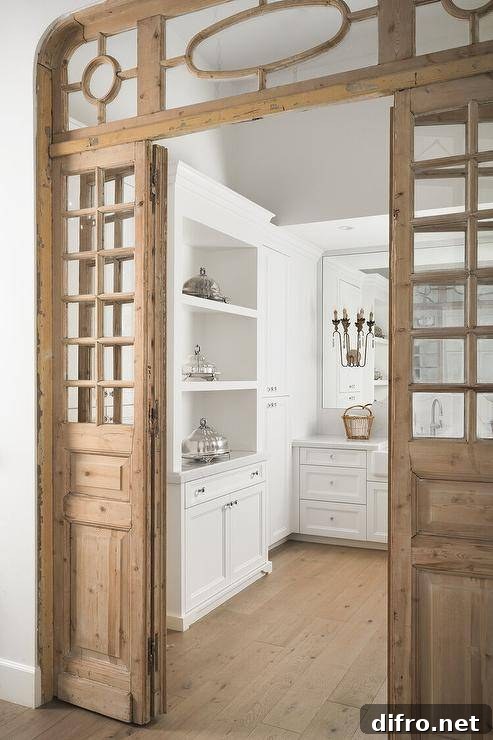
Exploring the enduring appeal of old house features is like stepping into a living history lesson. Each detail—from carved banisters to original hardwood floors—reflects a period’s craftsmanship, design priorities, and cultural values. These architectural elements do more than decorate a space: they anchor a home’s character, tell stories of past workmanship, and offer design opportunities that modern builds rarely provide.
Recognizing the value of historic features means appreciating the skill and durable materials that allowed them to survive decades or centuries. Carefully preserved or thoughtfully adapted, these details enhance curb appeal, boost resale value, and contribute to more sustainable renovation choices. Below we explore common vintage elements and practical, creative ways to preserve and repurpose them for contemporary living.
Stained Glass Windows
Stained glass is one of the most evocative features in many older homes. Beyond their decorative color and pattern, these windows filter light in a way that shapes mood and atmosphere, casting living, moving mosaics across floors and walls. Maintaining stained glass requires attention—regular cleaning, weatherproofing, and occasional restoration by a qualified conservator—but the payoff is substantial. Intact stained glass preserves authenticity, adds visual interest, and can become the centerpiece of a room.
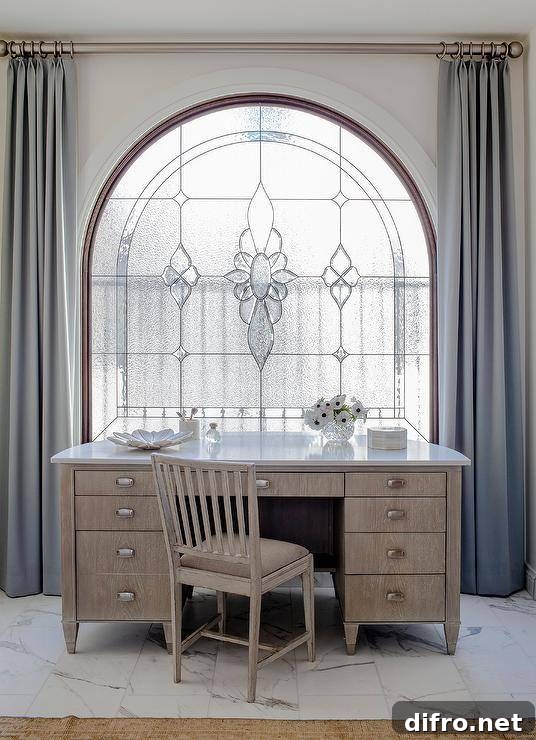
With proper care, stained glass remains a durable, heritage-rich investment that continues to reward homeowners with its unique light and color dynamics.
Functional Repurposing Ideas
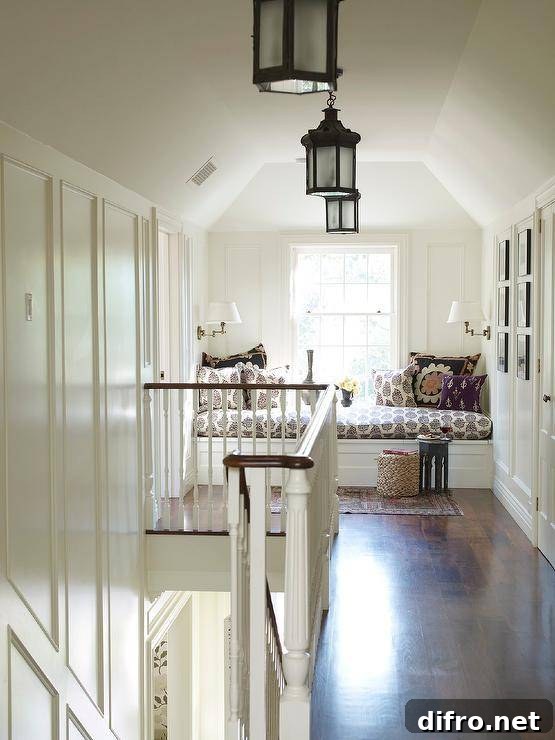
Older homes are full of cozy corners, deep closets, and tall windows—features that invite creative repurposing. A narrow closet can be converted into a snug reading nook with a built-in bench, cushions, and layered lighting. Tall sash windows or bay windows make excellent sunrooms or breakfast alcoves; they maximize natural light and create inviting spots to relax or grow container plants.
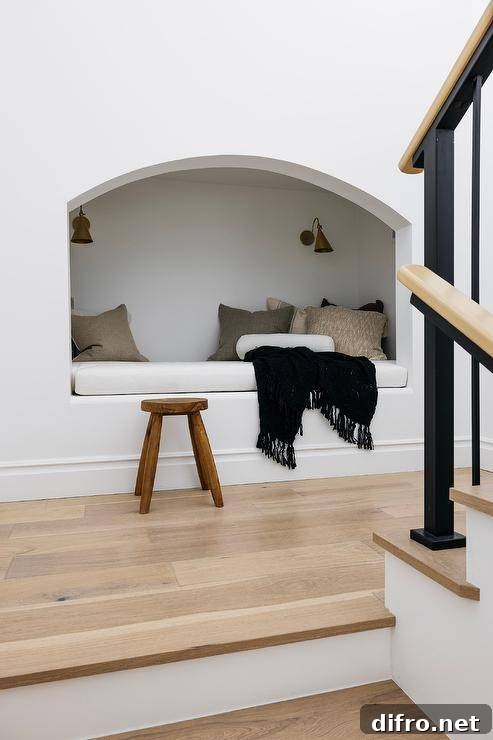
Practical repurposing respects the home’s bones while adding modern convenience, creating a seamless mix of form and function.
Creative Uses for Antique Doorknobs in Modern Decor
Small details can make a big impact. Antique doorknobs, with their patina and unique profiles, are ideal for creative reuse. Mount a row of mixed vintage knobs on reclaimed wood to form a custom coat rack, or use individual knobs as drawer pulls and towel hooks. These subtle insertions of history personalize a home and provide tactile, timeless hardware that contrasts beautifully with contemporary finishes.
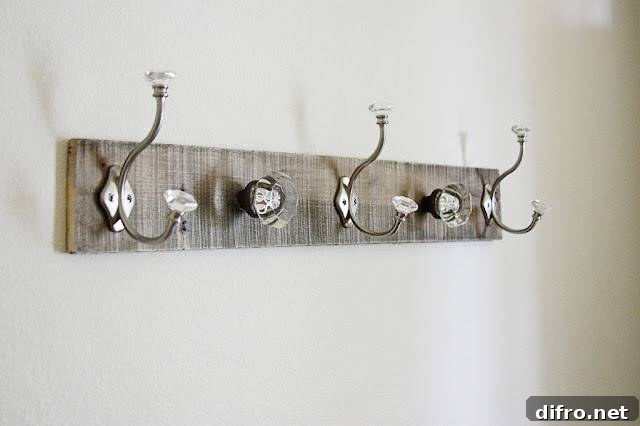
How to Modernize Old Fireplaces for Today’s Living
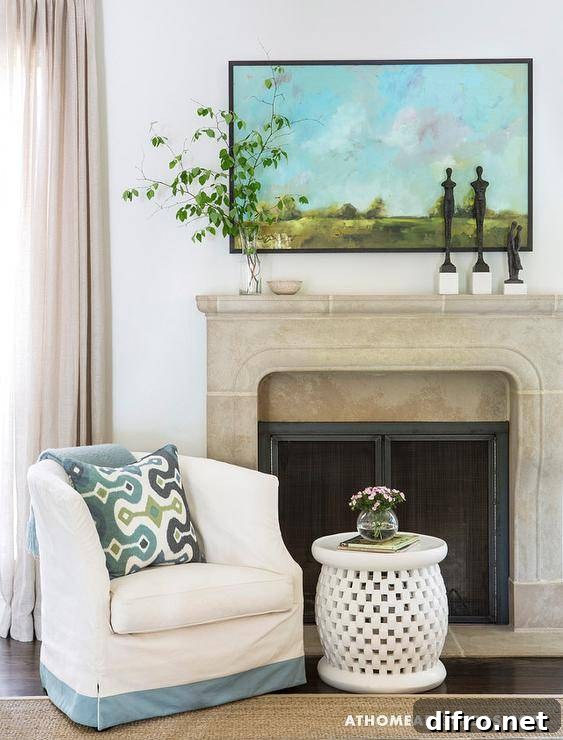
Fireplaces are focal points in older homes and prime candidates for sensitive modernization. Updating a hearth with contemporary tile or a streamlined mantel can refresh the room without erasing history. Installing a glass door or an energy-efficient insert improves safety and heat performance while preserving the visual anchor the fireplace provides. Aim for materials and finishes that complement original details instead of obscuring them.
Repurposing Wood from Vintage Doors for Eco-Friendly Projects
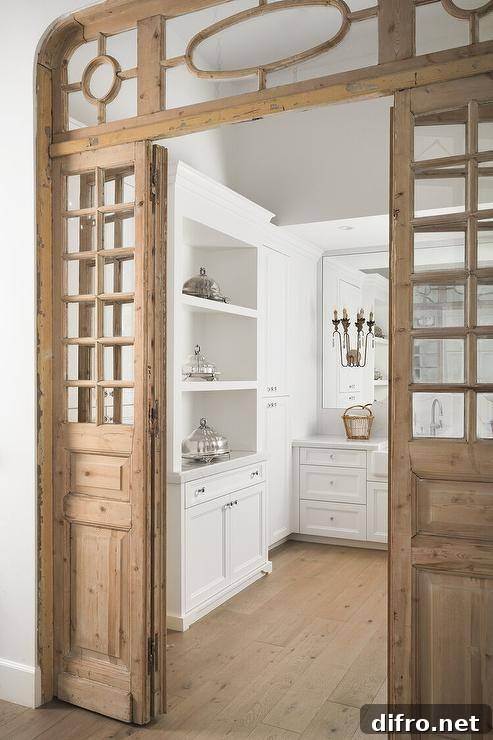
Salvaging wood from vintage doors is both sustainable and stylish. Old-growth timber often has tight grain, rich color, and durability that’s hard to find today. Reclaimed door wood can be transformed into tabletops, shelving, decorative wall panels, or bespoke furniture. Proper dismantling and treatment ensure longevity, while retaining surface character—nail holes, saw marks, and patina—adds authentic texture and storytelling to new pieces.
Enhancing Outdoor Spaces
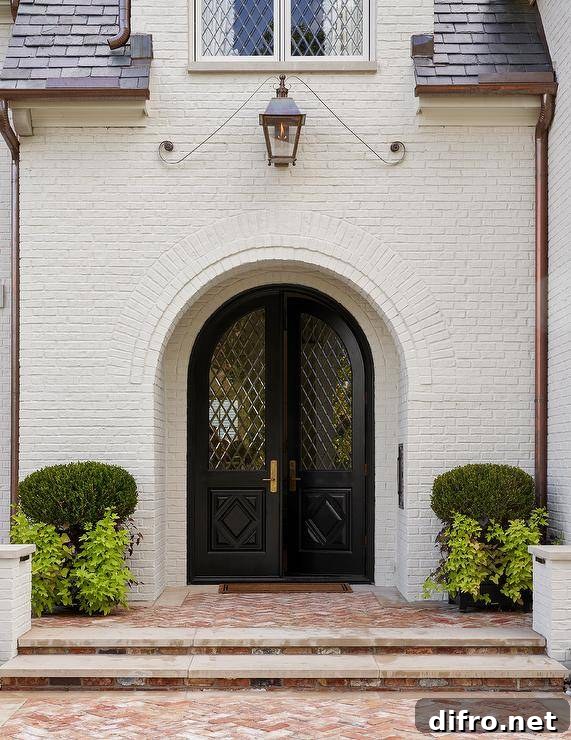
Historic exteriors and gardens can be extended and enhanced by echoing architectural motifs outdoors. Recreate ornamental woodwork in a pergola, restore a stone walkway, or add period-appropriate lighting to strengthen the connection between house and landscape. Thoughtful landscaping and hardscaping that reference the home’s style deepen curb appeal and create cohesive outdoor living areas.
Transforming Old Stone Features into Garden Focal Points
Stone elements—fountains, balustrades, steps—offer rich potential in a garden setting. Restored or thoughtfully repositioned, they become focal points that anchor planting schemes and invite lingering. Combine weathered stone with soft plantings like lavender, ferns, and perennial borders for a contrast that feels both timeless and intentional.
Old House Features as Artistic Elements
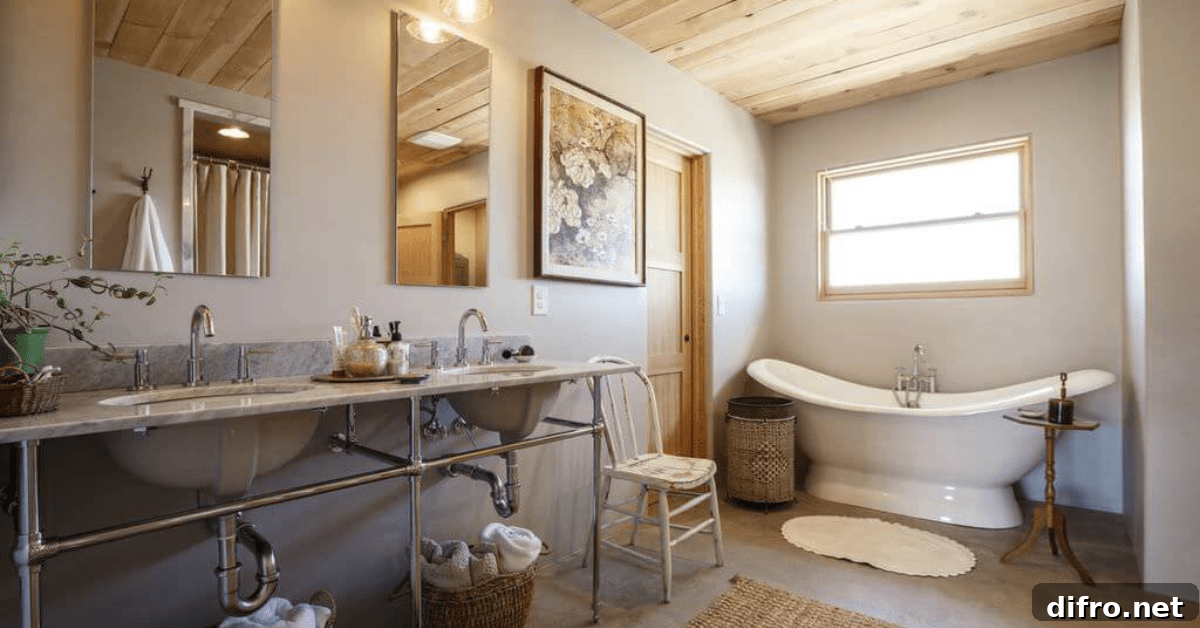
Architectural details often function as art. Crown moldings, ceiling medallions, carved staircases, and decorative plaster become central design elements when preserved and highlighted. These features provide a palette of patterns, textures, and historical reference that can inspire contemporary furnishings, color schemes, and lighting choices.
Showcasing Vintage Tiles as Decorative Wall Art
Vintage tiles can be reframed as wall art or used to create a decorative backsplash. A mosaic of historic tiles or a single framed Art Deco or Victorian tile brings color, pattern, and provenance to contemporary interiors. Displaying tiles this way honors their craftsmanship and provides a striking contrast against modern surfaces.
Celebrating the Legacy of Old House Features
Preserving and adapting old house features does more than conserve beautiful details; it sustains cultural heritage and encourages eco-friendly choices. Restoring original elements respects a home’s story while smart updates ensure comfort and functionality. By valuing craftsmanship and reusing quality materials, homeowners keep history alive and create spaces that feel authentic, sustainable, and uniquely personal.
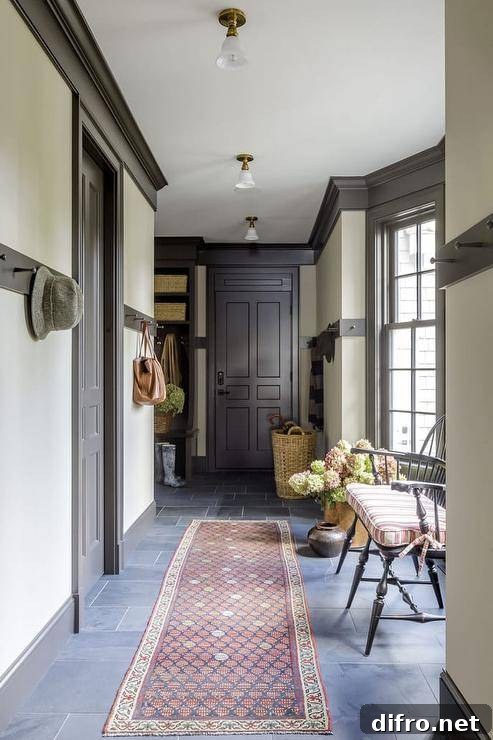
When thoughtfully preserved or repurposed, old house features continue to inspire contemporary design while honoring the workmanship of the past.
Related Articles:
- Modern Vintage Design: How to Mix The Old And New To Create This Look
- How to Preserve an Older Home’s Character During a Major Remodel
- What Is Shiplap: Rustic Inspirations and Design Ideas
Turn your house into the home of your dreams. Our newsletter shares design ideas and decor trends to help you create a stunning, personalized space. Subscribe to receive inspiration and practical tips for your next project.