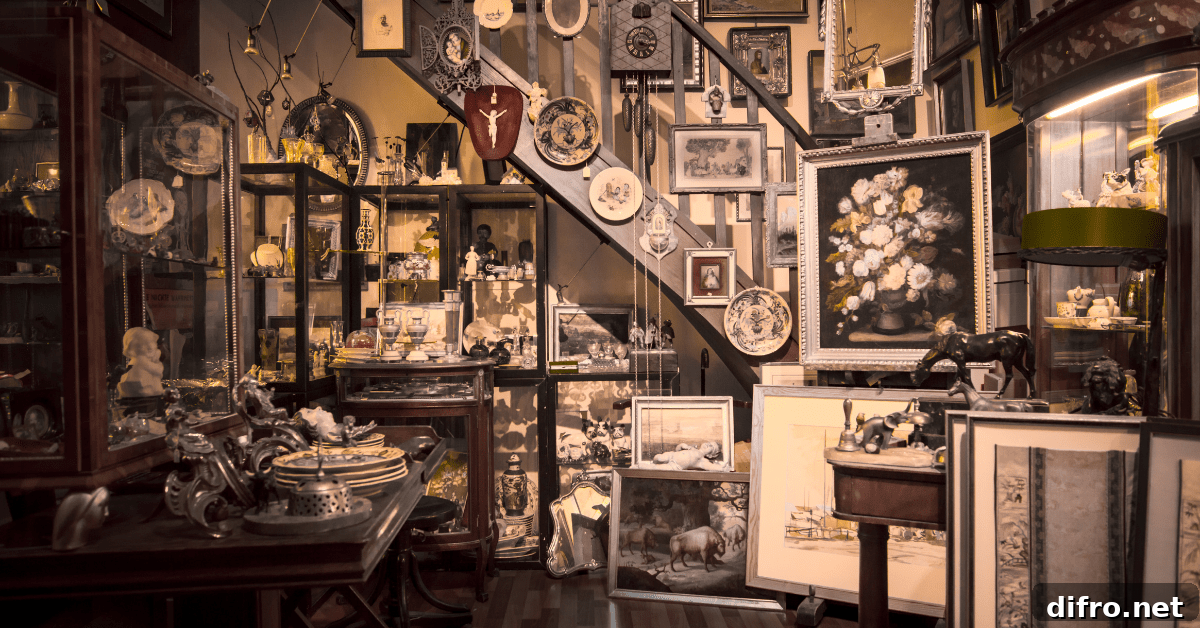
We all enjoy adding personality to our homes, but decorating can sometimes tip into excess. Over-decorating not only fills your rooms with objects, it can create visual chaos, reduce functionality, and make a space feel smaller than it is. Below are seven clear signs your home may need a simpler, more intentional approach to decor — plus practical tips to restore balance and calm.
1. Mismatched Styles Everywhere
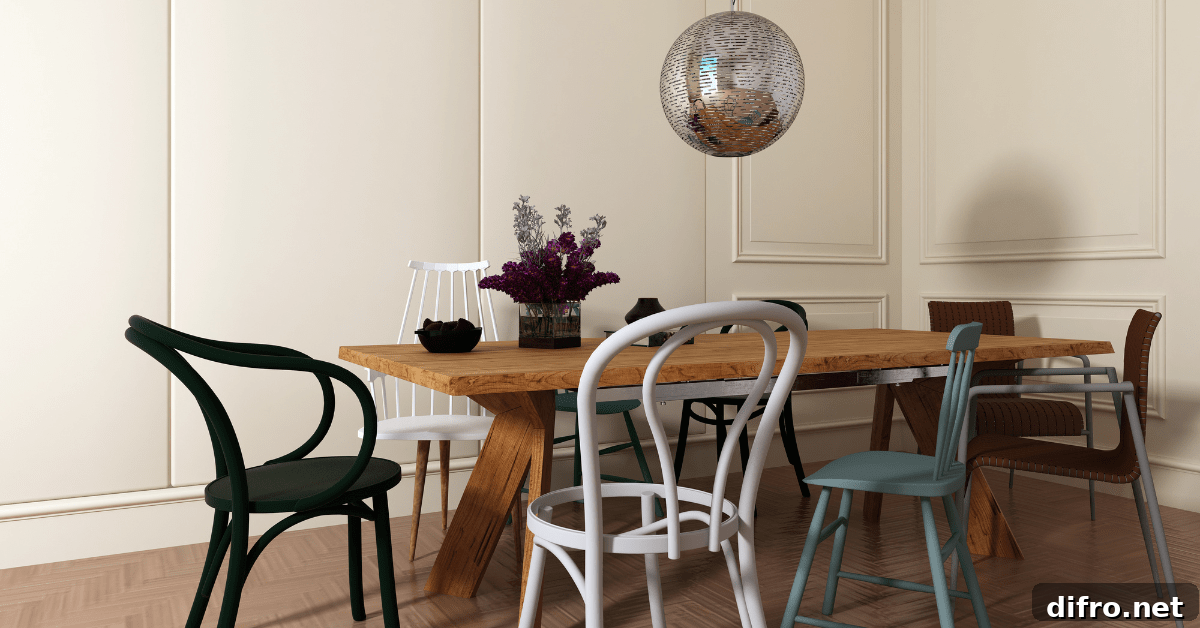
When entering a room feels like walking through several different homes at once, the decor is likely overdone. Mixing styles can be stylish, but too many competing aesthetics — for example, a rustic farmhouse coffee table next to a sleek modern lamp and bohemian textiles — create discord rather than charm. For a cohesive look, pick a unifying color palette, repeat a few materials or finishes, and let favorite standout pieces act as anchors rather than adding more visual noise.
2. No Empty Surfaces
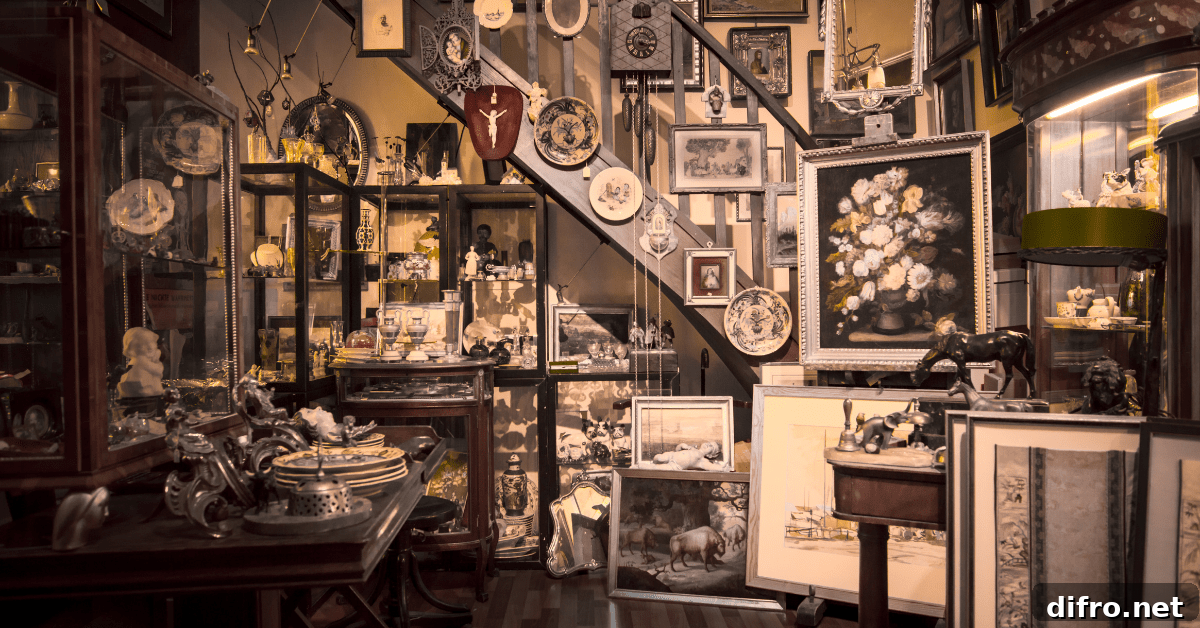
Surfaces covered edge-to-edge with objects often make a room feel cluttered. Empty space is a valid and powerful design element: it provides visual breathing room and highlights the pieces you want to showcase. Remove a few items from each shelf, tabletop, and countertop. Arrange remaining objects in intentional groupings and leave some negative space to let those displays read as curated rather than crowded.
3. Difficulty Moving Around
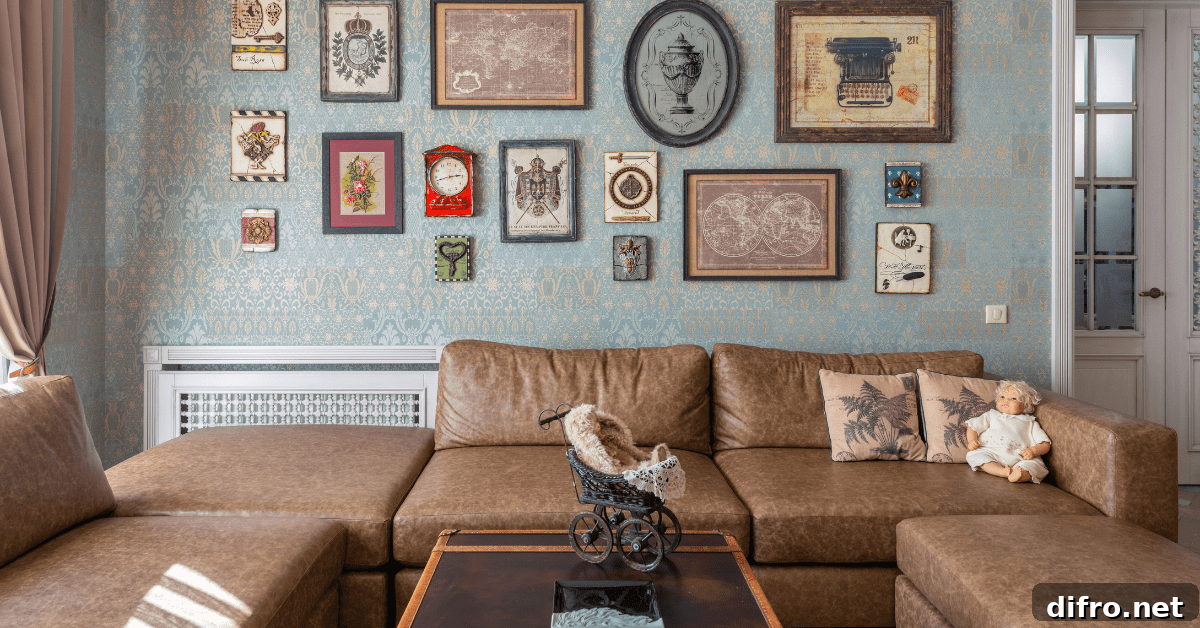
If furniture and decorative pieces block clear pathways or make everyday movement awkward, your layout has become impractical. Prioritize function: create unobstructed walkways, pull furniture away from walls where appropriate, and consider removing any large or redundant pieces. A more open plan improves flow and makes the space feel larger and more inviting.
4. Seasonal Decor Overstay
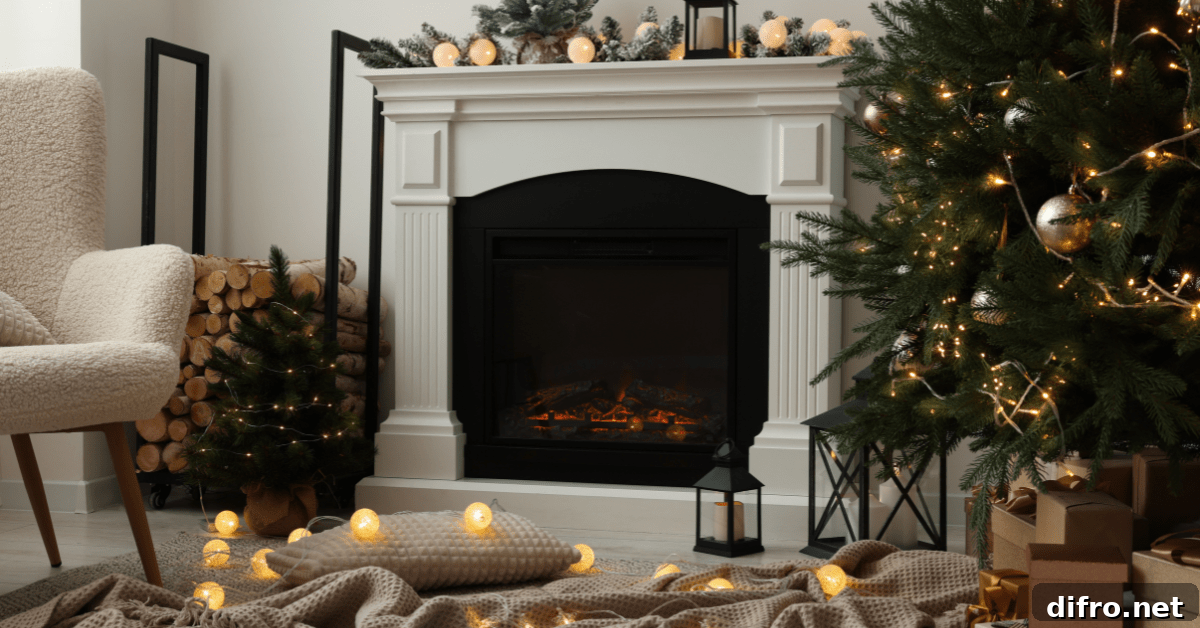
Letting holiday or seasonal decorations linger long after the occasion is a common sign of over-decorating. While seasonal items add joy while they’re appropriate, leaving them up indefinitely contributes to a cluttered atmosphere and diminishes their impact. Pack seasonal decor away promptly and store it where it’s easy to access next year — that ritual helps each season feel special again.
5. Constant Decor Shopping
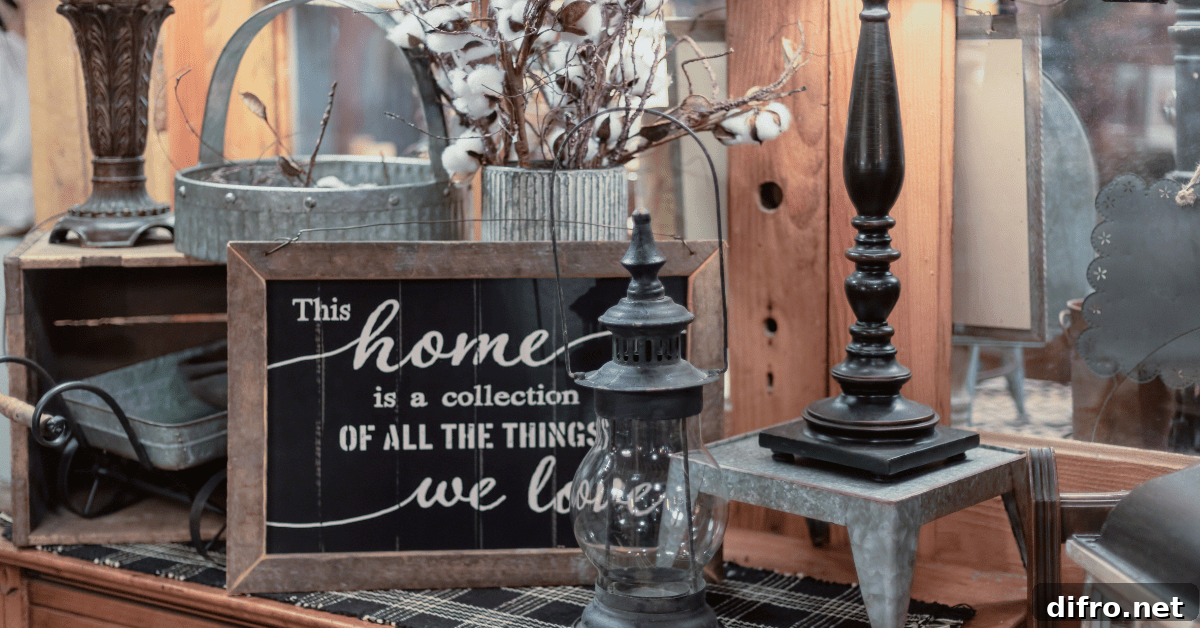
Buying new decor frequently without removing older items is a fast route to accumulation. Before purchasing, ask where an item will live, whether it fits your established palette or theme, and what you’ll let go of to keep balance. A “one in, one out” rule can help you maintain a curated home without sacrificing the pleasure of occasional updates.
6. Visual Overwhelm
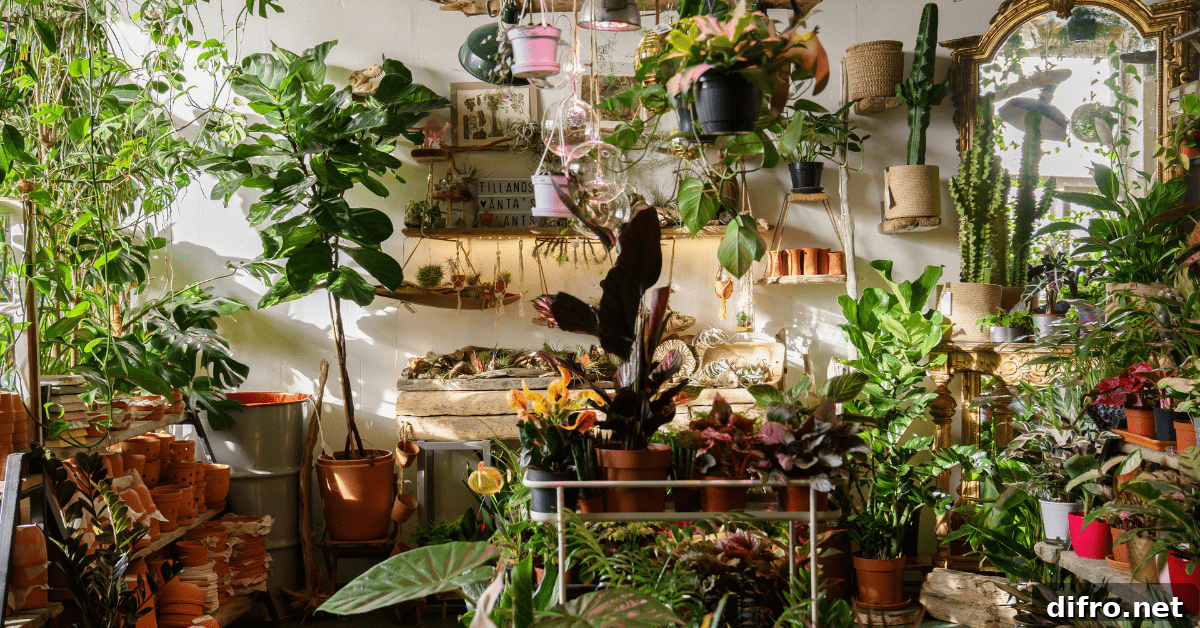
When your eye has nowhere to rest because everything is competing for attention, the room is visually overwhelming. A well-composed space usually has one or two focal points — a fireplace, a large artwork, or a striking piece of furniture — with supporting elements that don’t fight for dominance. Edit down collections and rotate displays seasonally so key features can breathe and shine.
7. Feedback from Others

Friends, family, or guests may notice what you no longer see: too many objects, crowded surfaces, or an incoherent style. Outside perspectives can be useful reality checks. If you receive consistent comments that your home feels busy or cluttered, take time to reassess with fresh eyes. Try editing with a clear goal — more light, more space, or a stronger color story — and invite trusted people to help you prioritize what to keep.
Overcoming over-decorating is about making intentional choices. Focus on cohesion, functional layouts, meaningful displays, and the value of empty space. With a few edits and thoughtful habits — like seasonal packing and mindful buying — you can create a calm, stylish home that reflects your personality without overwhelming it.