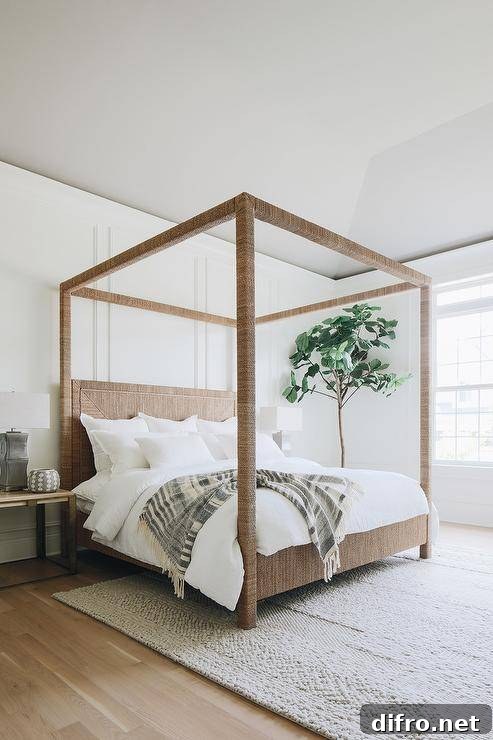
Minimalist canopy beds have surged in popularity as people seek calm, elegant bedrooms. Defined by clean lines, uncluttered frames and restrained details, these beds combine style and function to create serene sleeping spaces that feel both sophisticated and welcoming.
This article explores the history of the canopy bed, why minimalist versions have returned to favor, the common materials and construction methods, and practical tips for styling a minimalist canopy bed in your own bedroom. Whether you prefer a strictly pared-back aesthetic or want a subtle focal piece, a minimalist canopy bed can elevate a room while improving comfort and privacy.
The History of Canopy Beds
Canopy beds have a long history, with early examples used in ancient civilizations to shield sleepers from insects and drafts, and later to display wealth and status. In medieval Europe, richly draped canopies offered privacy and warmth. Over time the design evolved: by the 20th century, simpler, more streamlined interpretations emerged, influenced by modern and minimalist design movements.
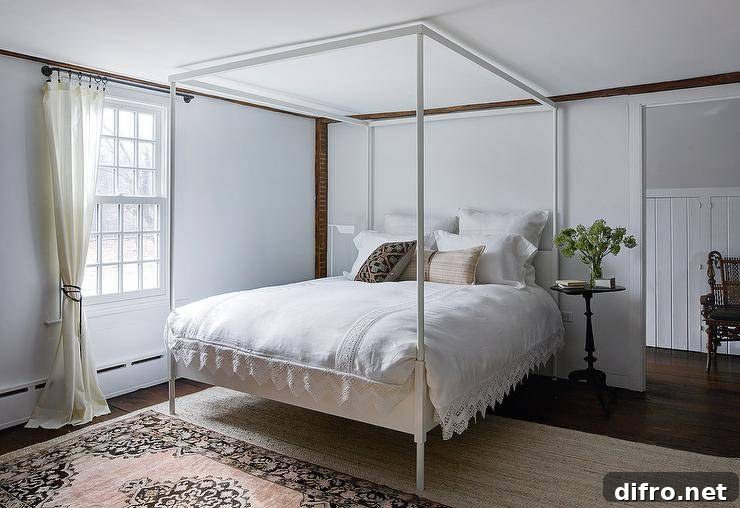
Designers like Lella Vignelli and Ettore Sottsass produced notable minimalist canopy pieces in the late 20th century—simple frames and refined silhouettes that showed how canopies could be modern and understated rather than ornate.
Construction and Materials
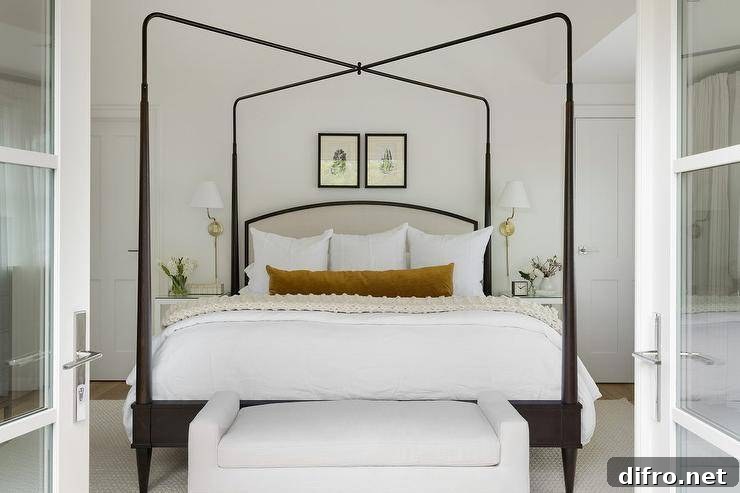
Minimalist canopy beds are typically built from wood, metal, acrylic, or combinations of these materials. The emphasis is on proportion, finish, and the simplicity of the frame rather than ornate detailing. These materials influence both the visual weight of the bed and how it interacts with the room’s overall look.
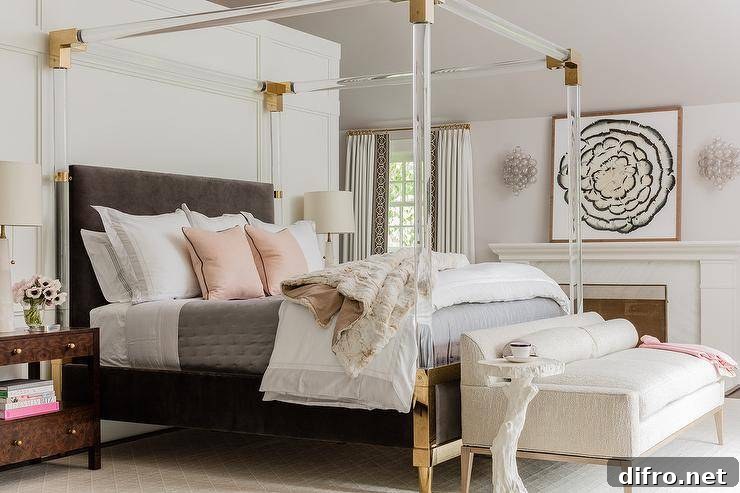
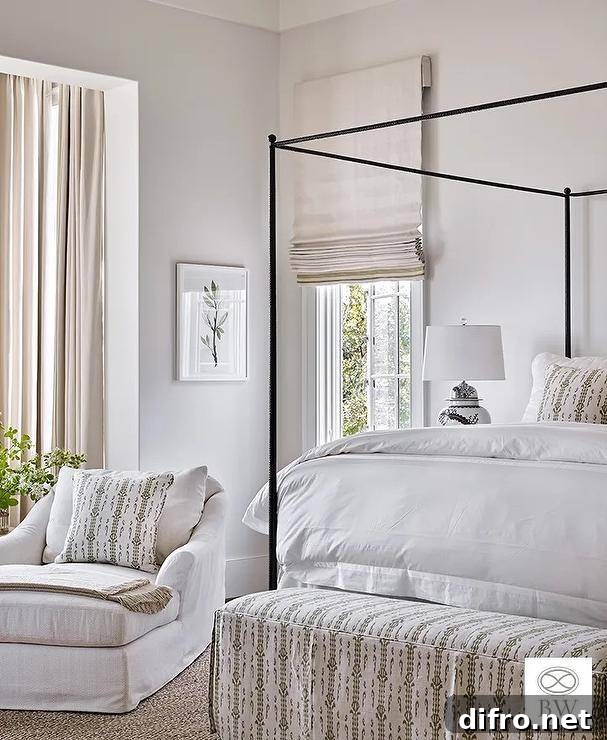
Metal frames offer durability and a slim visual profile. They work well in modern or industrial interiors and can be finished in matte black, brass, chrome or painted colors to match the palette of the room.
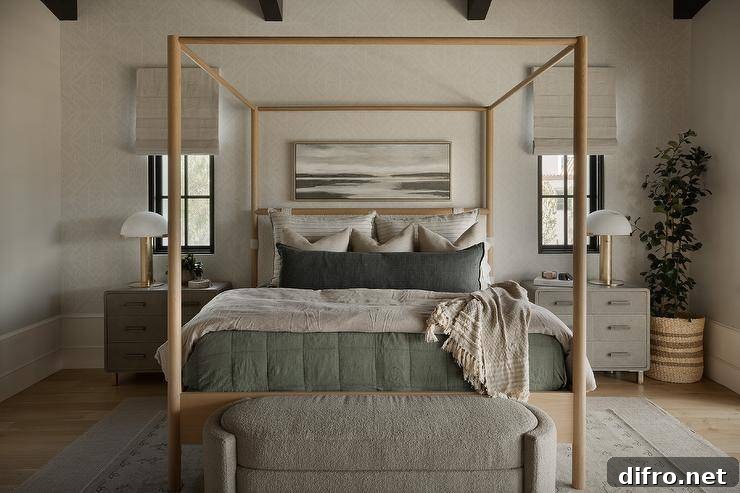
Wood brings warmth and texture, and is a popular choice for bedrooms aiming for a natural, organic or Scandinavian feel. Wood finishes range from pale oak and ash to deeper walnut and painted surfaces for a softer, more neutral look.
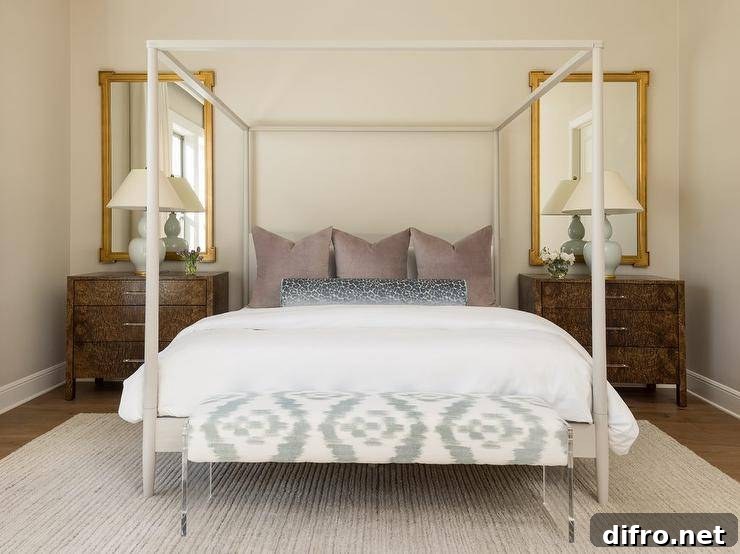
Combining materials—metal frames with wooden posts, or lucite panels with a fabric canopy—lets homeowners personalize a bed’s look while keeping the overall silhouette minimal.
Design Tips
To maximize the minimalist effect while keeping the bedroom inviting, follow a few simple guidelines:
- Keep it simple: Choose a canopy with clear, geometric lines and avoid excessive ornamentation so the bed reads as a calm, modern anchor in the room.
- Select a neutral palette: Whites, soft grays, warm wood tones or matte blacks maintain a minimalist aesthetic and allow bedding and lighting to stand out subtly.
- Use natural textures: Linen, cotton, wood and brushed metals add warmth without clutter. Textural variety keeps the space cozy while remaining minimal.
- Limit patterns: Solid bedding or restrained patterns preserve the clean look. Add visual interest with a single accent pillow or textured throw.
- Mind the lighting: Soft, layered lighting—bedside lamps, dimmers or indirect ambient light—creates atmosphere and highlights the canopy’s shape.
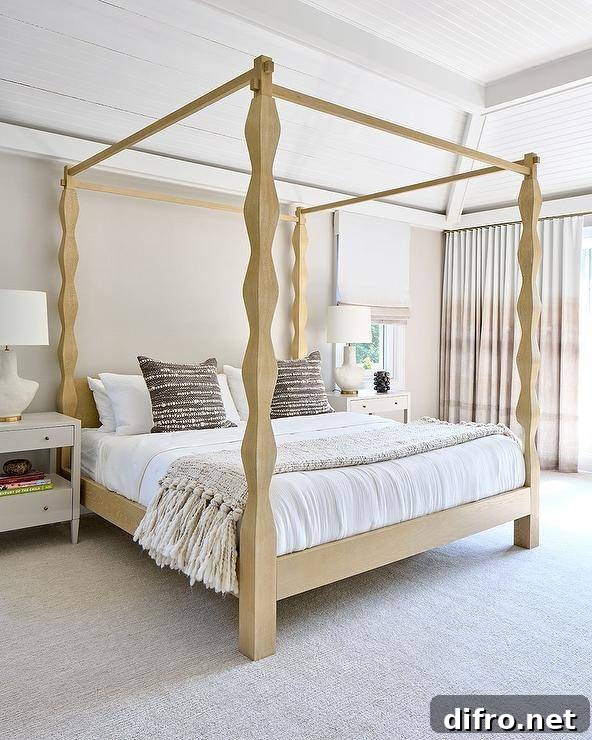
Ultimately, the minimalist canopy bed works because it balances a refined silhouette with comforting materials. When designed and styled thoughtfully, it becomes an elegant focal point that enhances the bedroom’s sense of calm and privacy.
Frequently Asked Questions (FAQs)
What is a minimalist canopy bed?
A minimalist canopy bed features a simple frame with four vertical posts and a canopy structure. It emphasizes clean lines and minimal embellishment.
What are the benefits of a minimalist canopy bed?
These beds provide a sense of privacy and coziness, serve as strong focal points in bedroom design, and can adapt to many decor styles from modern to transitional.
What materials are commonly used?
Common materials include wood, metal, lucite and mixed-material combinations. Fabric can be used for the canopy or headboard to soften the look.
Are canopy beds expensive?
Prices vary widely depending on materials, craftsmanship and brand. There are both affordable and high-end options available to suit different budgets.
How do I style a minimalist canopy bed?
Keep bedding simple and neutral, use layered lighting, and introduce one or two accent pieces—such as a textured throw or an art piece—to create personality without clutter.
Can a canopy bed fit in a small bedroom?
Yes. Choose a narrow, lightweight frame, keep surrounding decor minimal, and use light colors to maintain a sense of space.
This overview should help you decide whether a minimalist canopy bed suits your bedroom and how to style one for a calm, contemporary space.